I used this clip many times in my speeches (if you need context because you haven’t seen the movie, go watch it and then come back here).
Greed as in self-interest, self-preservation is a fundamental force driving any complex system evolution, and there are (at least) three ways in which greed is hard at work, pushing the current energy transition.
The O&G lobby has been very busy pushing alternative narratives for each of these, but the point of this post is not to dispute these, but to point to fundamental drivers.
Greed #1: cost reduction
An electric drivetrain uses energy much more efficiently, therefore you need less fuel to perform the same work, which translates to a direct cost saving.
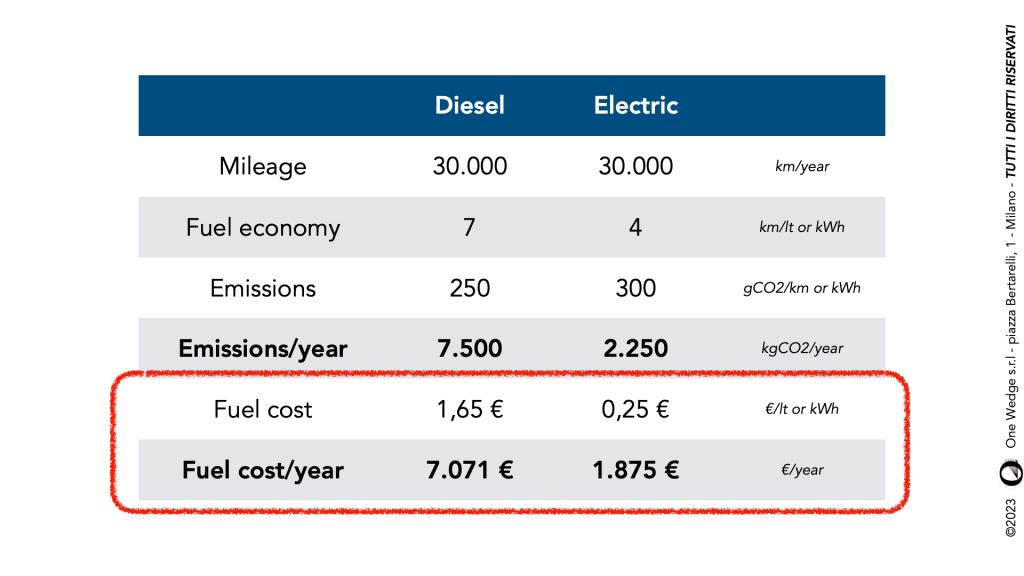
The table below represent the emissions and cost balance of moving from a diesel van to an electric van: while transportation companies might be thrilled about bragging of cutting emissions by two-thirds (5 tons less per van, imagine someone with a fleet of 10,000 vans…), their purchasing department is even more thrilled because they cut costs by the same ratio !
I’ll leave to each reader to guess which thrill is motivating transportation companies more…
Greed #2: national energy security
The war in Ukraine painfully exposed a weak spot in the West national security: however powerful your technology and military be, if you depend on fossil fuel import to satisfy your energy needs, you are potentially hostage of whomever supplies such fossil fuels.
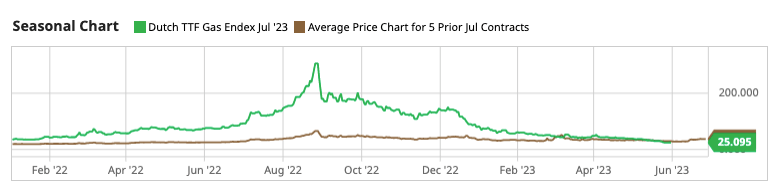
One unpredictable side effect of the war was therefore a jerk in the rate of installation of RE, not because they’re good for the planet (sadly, I don’t think any politician gives a rat’s ass about it) but because it’s good for national security: more RE means a gradual but unstoppable erosion in the consumption of fossils which – coupled with their chronic oversupply, only artificially managed through cartels – lead to the price of gas yesterday inching lower than the previous five years’ average for July contracts.
While they still not give a rat’s ass about the planet, politicians are highly sensitive to hard lessons and I don’t think they’re going to put the West’s heads on the block again on energy.
Greed #3: self-preservation
As Gordon Gekko implies, Boards care first and foremost about Board Members.
While the corporate elites wield immense power and enjoy immense privileges, the capitalistic system (together with democracy, a terrible invention, but still the best we have ever devised) ensures that even they have someone to respond to.
A good example might be that of Akio Toyoda, grandson of Toyota’s founder. Despite being the world’s largest carmaker, he was recently forced to resign from the company’s presidency (he remains Chairman) over disagreement over his staunch refusal to embrace electrification. Just recently, the FT reported he might face more challenges in the upcoming shareholders meeting over a number of issues which include anti-climate change lobbying.
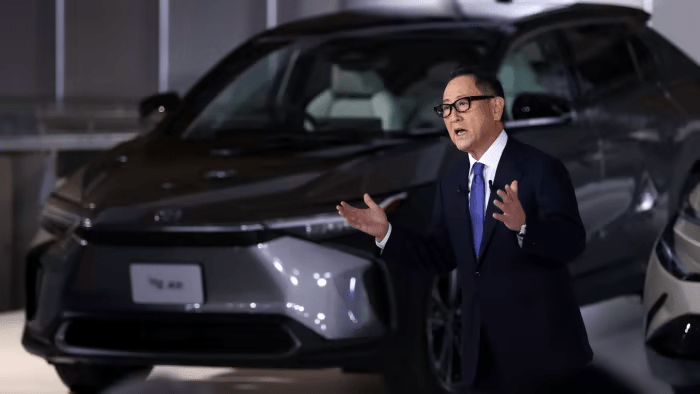
Several funds filed motions not supporting his re-election: while these might not the get the shareholders approval during the meeting in mid-June, it is a clear sign that activism over governance, environment and diversity are forces to be reckoned with.
Conclusion
It’s time to recognize that greed, for lack of a better word, will not only save individual companies or countries but the whole dysfunctional system of humanity.
 OneWedge